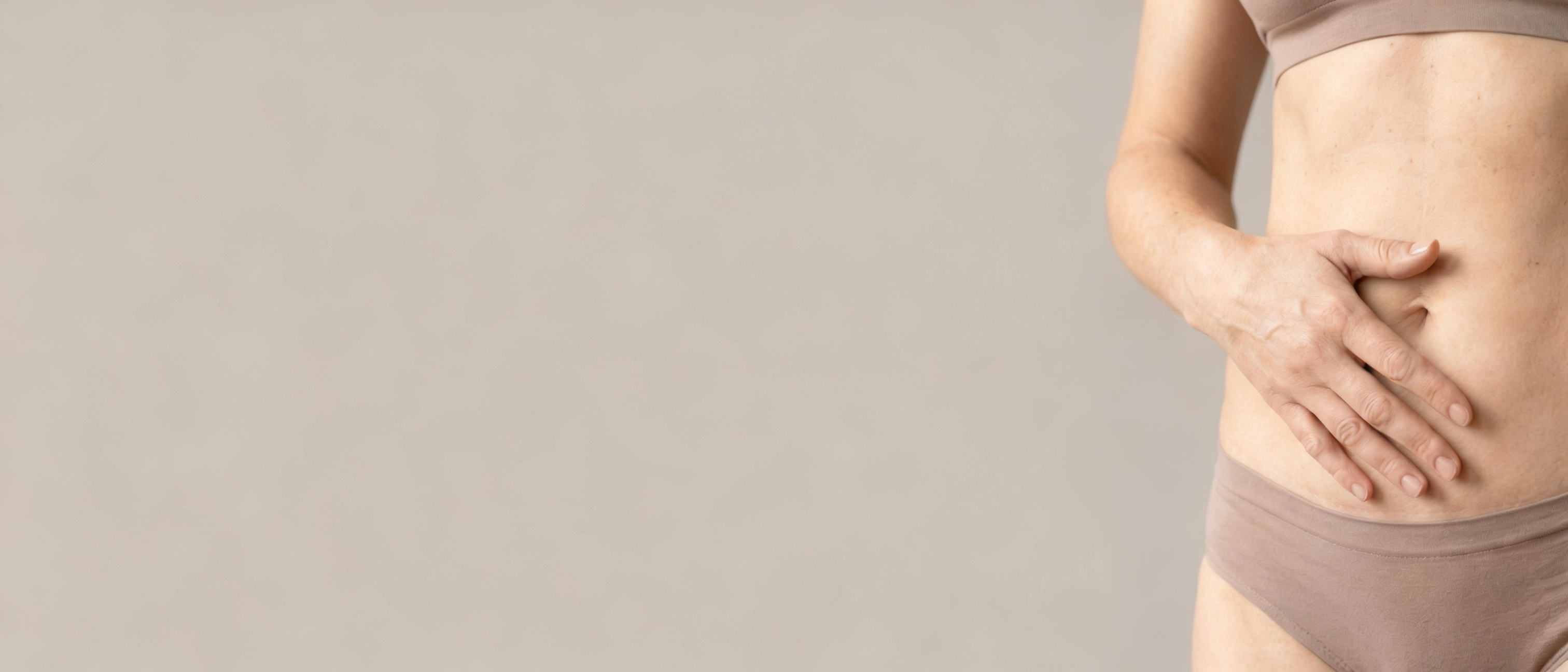

Arm Lift
For many patients, their arms are something they're always managing.
They reach for sleeves automatically. They think about arm position in photos. They hesitate before lifting their arms in public or wearing certain clothes. It's not a dramatic discomfort, it's a constant one that never fully shuts off.
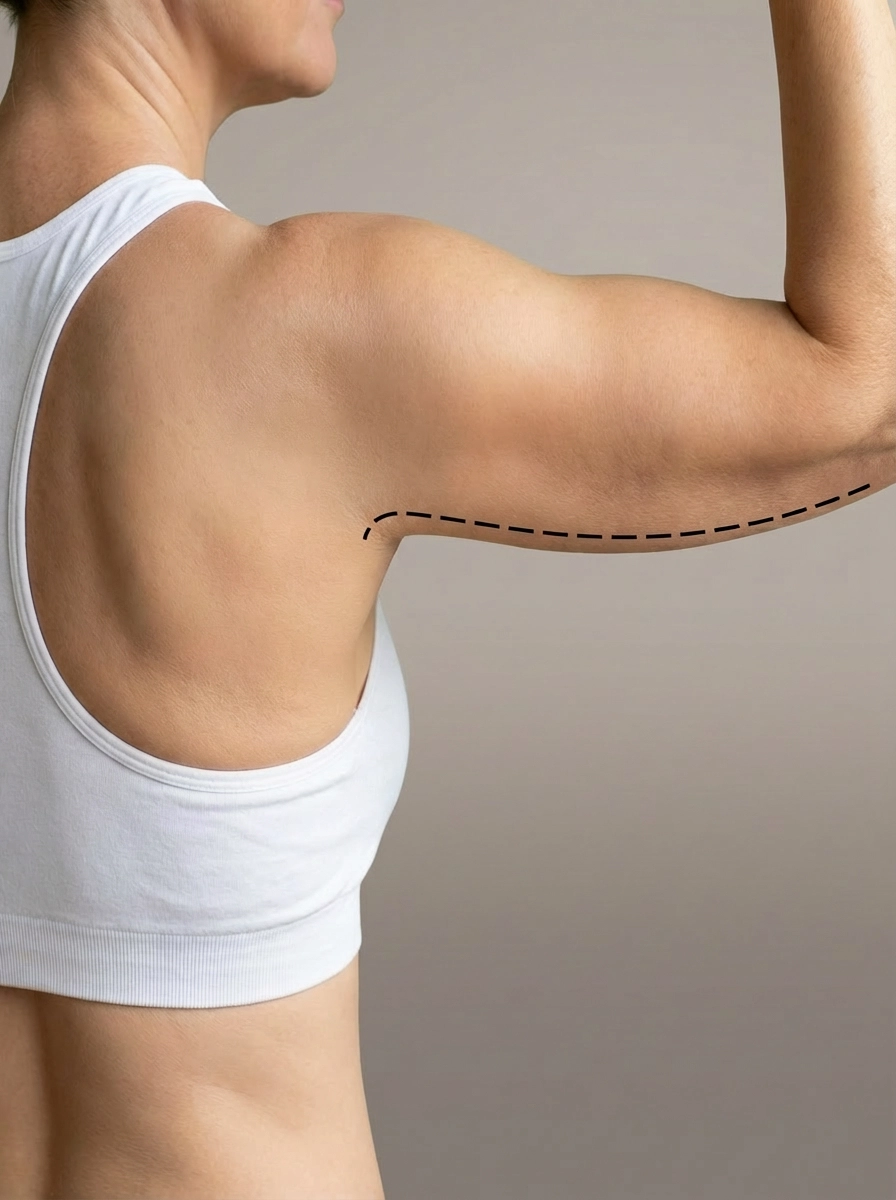
An Arm Lift, Medically Known as Brachioplasty, addresses loose skin along the upper arms that can develop after weight loss, aging, or simply due to genetics. When skin loses elasticity, exercise and strength training don't change how it behaves.
An arm lift addresses excess skin and refines the contour of the upper arm. The goal isn't perfection, it's allowing the arms to fade back into the background, instead of being something you're always thinking about.
May Be Worth Discussing If You Notice:
At The Consult:
We focus on skin quality, degree of laxity, and how the arms move — not just how they look at rest. The upper arms can respond well to thermal-assisted liposuction in carefully selected patients, but choosing the right approach and setting realistic expectations is essential.
Recovery:
Swelling and bruising are common during the first one to two weeks. Elevation plays an important role in recovery. Most patients return to daily activities within 10 to 14 days, with gradual improvement over several weeks.
Arm Lift - A Note From Dr. Schimpf
Leg Lift
For many patients, their thighs are a constant source of discomfort.
Skin rubs when they walk.
Clothing fits awkwardly.
Heat, friction, and irritation become part of everyday movement.
Over time, this creates both physical discomfort and quiet self-consciousness, especially in situations where legs are exposed or movement draws attention. For patients who have lost weight or experienced changes in skin elasticity, this can feel especially frustrating, as effort and fitness don't resolve the problem.
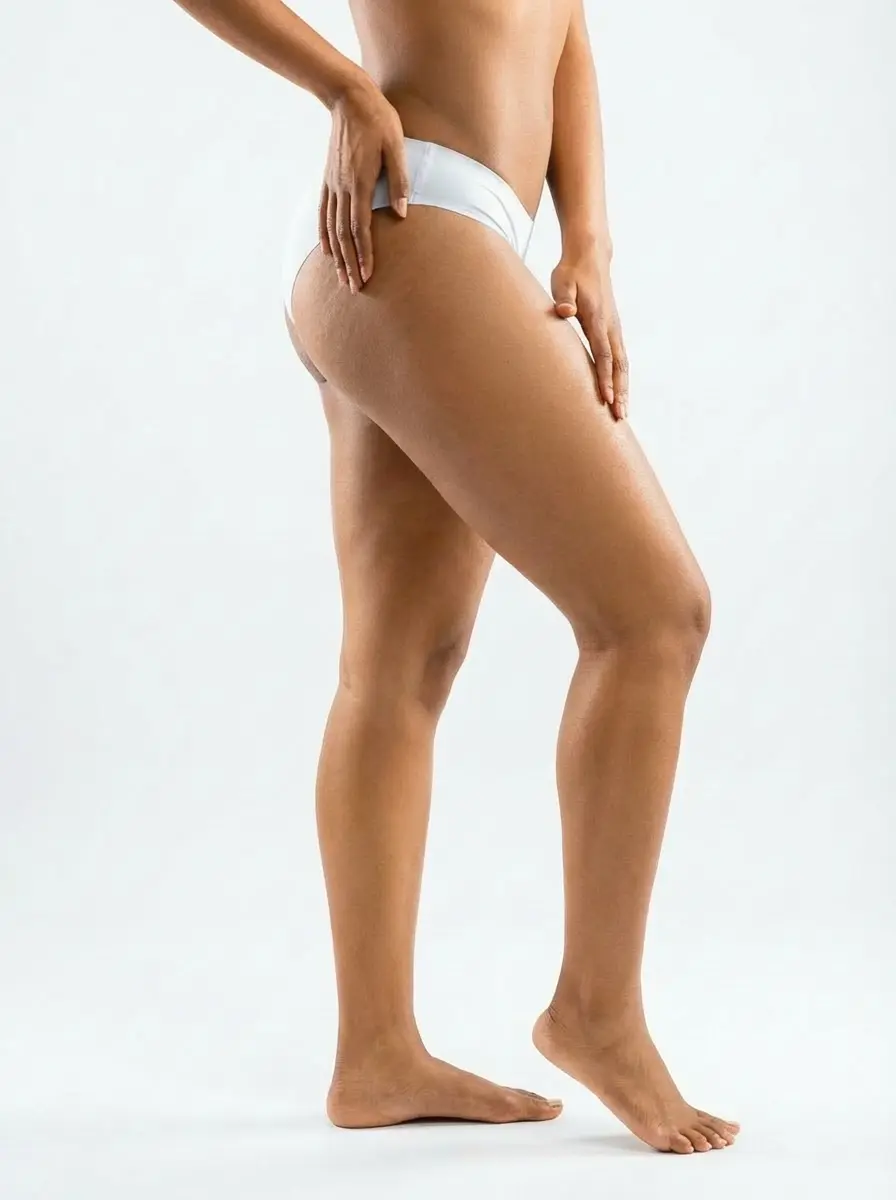
A leg lift addresses loose skin along the inner or outer thighs by removing excess tissue and refining contour. Most procedures combine skin excision with liposuction to reduce bulk and improve how the thighs move against each other. The goal isn't dramatic change, it's reducing friction, improving comfort, and allowing daily movement without constant irritation.
May Be Worth Discussing If You Notice:
At The Consult:
We evaluate skin quality, degree of laxity, fat distribution, and how the thighs interact during normal movement. In some patients with good skin elasticity and isolated fat concerns, liposuction alone may be appropriate. For others, skin removal is necessary to meaningfully reduce friction and improve comfort.
Recovery:
Swelling and bruising typically last 1–2 weeks. Most patients resume light activity within two weeks or so and full activity by 6 weeks. This is one of the more difficult procedures to recover from given the location and the inherent swelling that occurs in the legs.
Leg Lift - A Note From Dr. Schimpf
Liposuction
Liposuction is used to address specific areas of fat that don't respond to diet or exercise.
Most patients considering liposuction are already close to their goal weight and comfortable with their overall health and habits. What brings them in is frustration with one or two areas that have remained unchanged for years despite effort, consistency, and time.
Liposuction removes fat cells from targeted locations to refine contour and restore balance. It is not a weight-loss procedure, and it does not replace healthy habits. Instead, it resolves localized problems that resist change.
The procedure is performed through very small incisions, typically 3–5 mm in size, which usually do not require sutures.

May Be Worth Discussing If You Notice:
At The Consult:
We focus on whether liposuction will actually solve the concern you're noticing. Patients seeking overall weight loss or skin tightening alone are generally not good candidates. Skin quality, fat distribution, and expectations all matter in determining whether liposuction makes sense.
Recovery:
Swelling is expected and gradually improves over 4–6 weeks. Most patients return to normal activities within a few days to one week, depending on treatment areas. Activity is generally not restricted. While early changes are visible relatively quickly, final contour continues to refine, typically settling between nine and twelve months.
Liposuction - A Note From Dr. Schimpf
Mommy Makeover
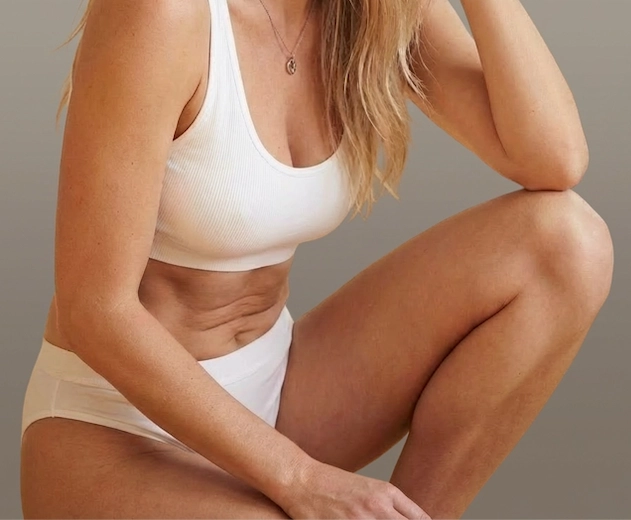
Pregnancy changes the body in ways that don't always resolve with time.
For many women, the most noticeable changes remain in the abdomen and breasts — areas that stretch, shift, and lose support in ways exercise and weight stability can't fully correct. Over time, these changes can begin to feel permanent, not because something went wrong, but because the body adapted to pregnancy and didn't completely return.
A mommy makeover is a customized combination of procedures designed to address those specific, lasting changes. The exact plan varies from person to person, based on anatomy, goals, and what feels most disruptive in daily life. Most commonly, it involves procedures focused on the abdomen and breasts, performed together in a single surgical setting.
May Be Worth Discussing If You Notice:
At The Consult:
We spend time identifying which changes are most significant to you and which procedures make sense to address together. While combining procedures can mean a single anesthesia and recovery period, it also requires thoughtful planning and realistic expectations about the initial recovery. Future pregnancies won't be prevented by surgery, but they can alter results. Timing and long-term goals are an important part of the conversation.
Recovery:
Recovery depends on the specific procedures performed, but most patients require two to three weeks before resuming normal daily activities. Swelling continues to improve over several months, and recovery can feel more demanding when multiple areas are treated at once.
Mommy Makeover - A Note From Dr. Schimpf
Tummy Tuck
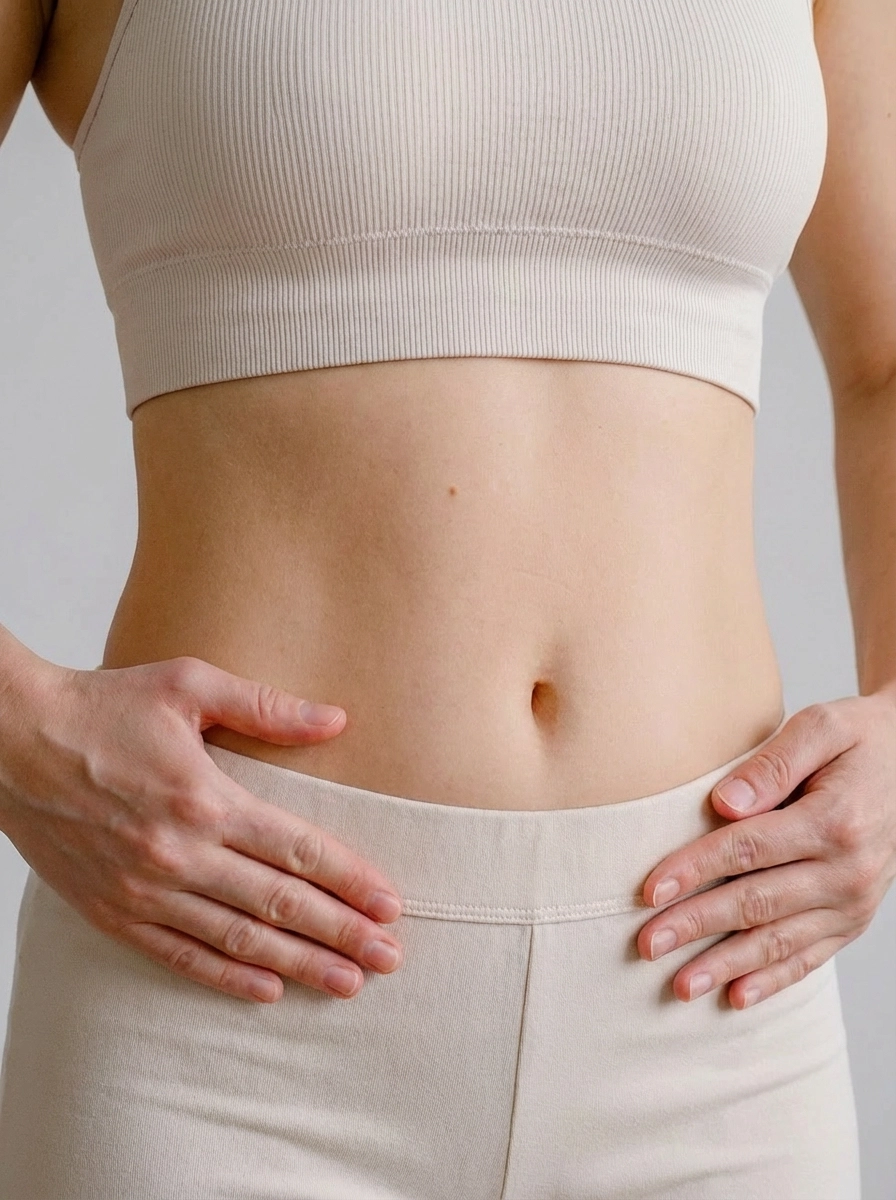
Many people struggle with the embarrassment of loose skin and a core that feels weaker, less stable, or harder to engage. It changes how clothing fits and how confident someone feels in anything form-fitting.
Medically known as Abdominoplasty, a tummy tuck addresses these in one procedure: it tightens weakened or separated abdominal muscles, removes excess skin, and improves contour of the abdomen, waist, and lower back so the midsection looks better, clothes fit better, and you "feel stronger."
May Be Worth Discussing If You Notice:
At The Consult:
Patients planning significant weight changes may benefit from waiting until they are within roughly 10% of their goal weight. We also talk through expectations and whether liposuction alone could meet the goal, or whether muscle tightening and skin removal are necessary to get the outcome you're actually hoping for.
Recovery:
Initial recovery lasts about 2 weeks, with most patients returning to normal routines within 2–3 weeks. The first 3-5 days patients have significant soreness from the muscle tightening. Final contour results continue to improve over several months, with final results taking 9-12 months.
Tummy Tuck - A Note From Dr. Schimpf
What you can expect at a consultation
and why people choose Dr. Schimpf.
- You always have access directly to Dr. Schimpf, not just a coordinator. Board-certified, with 20 years experience and a background in complex reconstructive and microsurgery.
- He asks what's actually bothering you, listens, and looks at it with you. This is an unhurried visit with Dr. Schimpf, in person or virtual.
- He walks you through your options. Including recovery, trade-offs, and cost, and tells you what he would and wouldn't recommend.
- You move at your pace. He will tell you no if surgery isn't right for you. If the timing is wrong, he says so. No pressure, no obligation.
- Natural results, by design. If someone can tell you've had surgery, that isn't the result he's aiming for.
- A more personal practice, by design. Access to your surgeon, built around you.
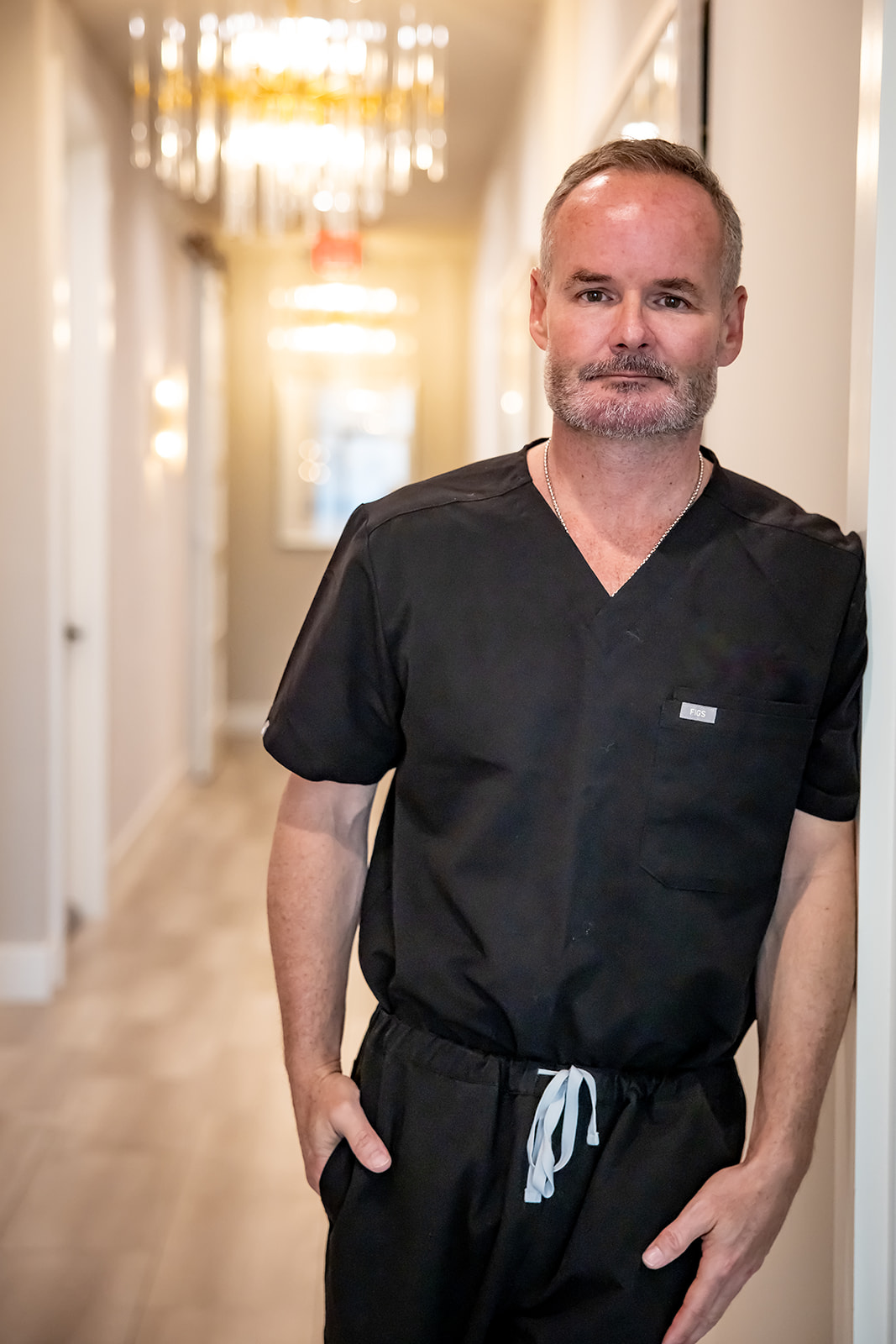
Or, if you're not sure you're a good candidate yet, start with a phone call directly from Dr. Schimpf himself. He will answer your questions and tell you if surgery is even a good option for you.
Request a Call from Dr. SchimpfThe first step is simply a conversation.
Schedule your consultation
How would you like to schedule?