

Body Plastic Surgery
Arm Lift
For many patients, their arms are something they’re always managing.
They reach for sleeves automatically. They think about arm position in photos. They hesitate before lifting their arms in public or wearing certain clothes. It’s not a dramatic discomfort, it’s a constant one that never fully shuts off.
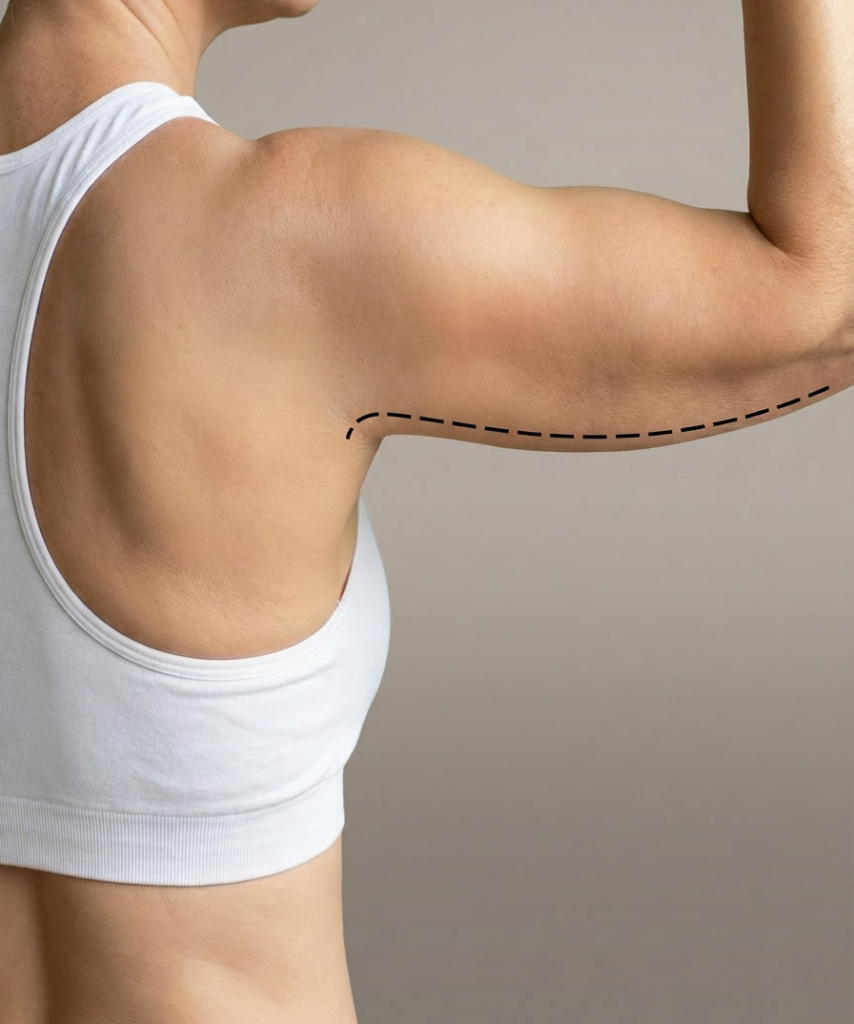
An Arm Lift, Medically Known as Brachioplasty, addresses loose skin along the upper arms that can develop after weight loss, aging, or simply due to genetics. When skin loses elasticity, exercise and strength training don’t change how it behaves.
An arm lift addresses excess skin and refines the contour of the upper arm. The goal isn’t perfection, it’s allowing the arms to fade back into the background, instead of being something you’re always thinking about.
May Be Worth Discussing If You Notice:
-Loose or hanging skin along the upper arms
-Skin movement that draws your attention during normal activity
-Avoiding sleeveless or short sleeve clothing despite feeling otherwise comfortable in your body
At The Consult:
Recovery:

Arm Lift - A Note From Dr. Schimpf
An arm lift is about confidence, especially in sleeveless clothing. My goal with an arm lift is to improve contour in a way that feels natural and proportional — so the arms stop being something you think about throughout the day. When planned carefully, results look natural and proportional. Patients gain a tremendous amount of confidence from having improved contour of their arms especially after massive weight loss. They are able to fit better in clothing and wear outfits they may not have been able to wear for years.
Leg Lift
For many patients, their thighs are a constant source of discomfort.
Skin rubs when they walk.
Clothing fits awkwardly.
Heat, friction, and irritation become part of everyday movement.
Over time, this creates both physical discomfort and quiet self-consciousness, especially in situations where legs are exposed or movement draws attention. For patients who have lost weight or experienced changes in skin elasticity, this can feel especially frustrating, as effort and fitness don’t resolve the problem.
A leg lift addresses loose skin along the inner or outer thighs by removing excess tissue and refining contour. Most procedures combine skin excision with liposuction to reduce bulk and improve how the thighs move against each other. The goal isn’t dramatic change — it’s reducing friction, improving comfort, and allowing daily movement without constant irritation.

May Be Worth Discussing If You Notice:
At The Consult:
Recovery:
Leg Lift - A Note From Dr. Schimpf
A leg lift can significantly improve a patients appearance as well as self confidence. Proper planning, balances scar placement with contour improvement. Fitting better in clothing and not having irritation to the upper legs from friction or rubbing can make patients feel much better. While not an easy procedure to recover from and the fact it can often be associated with a moderate amount of scarring, it can greatly improve their quality of life.
Liposuction
Liposuction is used to address specific areas of fat that don’t respond to diet or exercise.
Most patients considering liposuction are already close to their goal weight and comfortable with their overall health and habits. What brings them in is frustration with one or two areas that have remained unchanged for years — despite effort, consistency, and time.
Liposuction removes fat cells from targeted locations to refine contour and restore balance. It is not a weight-loss procedure, and it does not replace healthy habits. Instead, it resolves localized problems that resist change.
The procedure is performed through very small incisions, typically 3–5 mm in size, which usually do not require sutures.

May Be Worth Discussing If You Notice:
-Localized fat pockets that haven’t changed despite diet and exercise
-Being within about 10% of your goal weight
-Good skin elasticity with fullness
-A sense that one area is “throwing off” the rest of your shape
At The Consult:
Recovery:
Liposuction - A Note From Dr. Schimpf
Liposuction refines shape and creates better body contouring. When used appropriately, it can create long-lasting changes. While it is not a weight loss procedure, we do often see patients lose weight after the procedure as their basal metabolic rate is increased even at 1 year after the procedure. Liposuction not only has a very high satisfactory rate with patients it is the most commonly performed cosmetic procedure in the US.
Mommy Makeover

May Be Worth Discussing If You Notice:
-Typically finished with childbearing and at a stable weight.
-Abdominal changes that haven’t improved despite time or exercise
-Breast changes in shape, position, or volume following pregnancy
-Wanting to address more than one area at the same time typically
At The Consult:
Recovery:
Mommy Makeover - A Note From Dr. Schimpf
A mommy makeover is highly individualized. When planned carefully, it restores confidence while respecting your natural anatomy and long-term goals. There are advantages to doing multiple procedures in one setting such as one anesthesia and one recovery period, but it can make the initial recovery challenging. Rest, good nutrition, and support are crucial to a safe recovery. Moms make tremendous sacrifices for their kids, they deserve the confidence and satisfaction that comes from restoring their body and feeling good about their appearance again.
Tummy Tuck
May Be Worth Discussing If You Notice:
-Loose abdominal skin that doesn’t improve despite exercise or weight stability
-Skin that folds, hangs, or feels like it won’t “sit right” in clothing
-A feeling of separation or weakness through the core
-A change in contour through the abdomen, waist, or lower back that doesn’t respond to diet or training
At The Consult:
Recovery:
Tummy Tuck - A Note From Dr. Schimpf
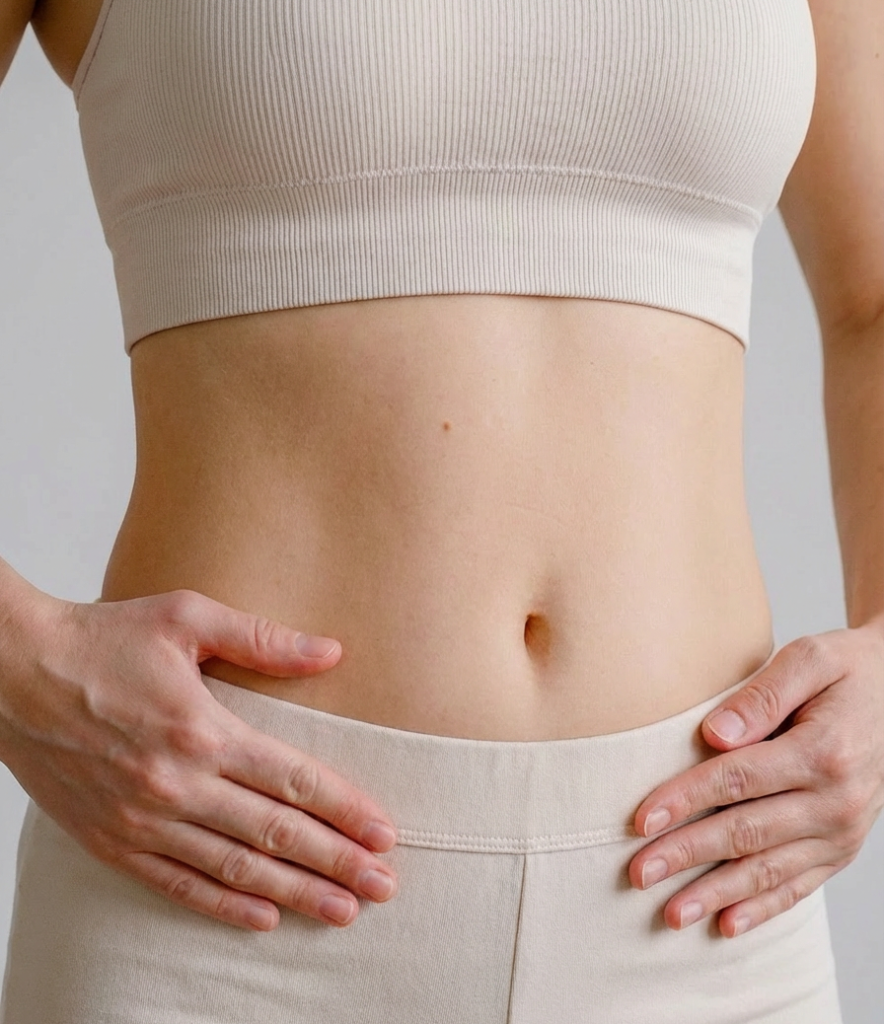
A tummy tuck is one of the most transformative and impactful procedures a patient can have done. When done thoughtfully, it restores core strength and body confidence—not just appearance. The most difficult choice is often choosing between a tummy tuck and liposuction. Liposuction addresses just fat and volume, while a tummy tuck tightens the abdominal muscles, removes excess skin, and improves contour of the abdomen, waist, and lower back. The improvement can be significant, but there will be a permanent scar across the lower abdomen. My job is to help patients decide whether the tradeoff makes sense for their goals—and to plan the surgery in a way that looks natural and feels solid.