

Facial Plastic Surgery
Brow Lift
Many patients don’t come in asking for a brow lift. They come in saying they look tired, heavy, or unintentionally stern, even when they feel well rested. Over time, gravity and muscle activity cause the eyes to appear heavier, the upper eyelids more weighed down, and facial expression to shift in ways that don’t match how someone actually feels.
May Be Worth Discussing If You Notice:
-A low or drooping brow position
-Heaviness over the upper eyelids that makeup doesn’t fix
-A tired or serious appearance that doesn’t reflect how you feel
At The Consult:
Recovery:

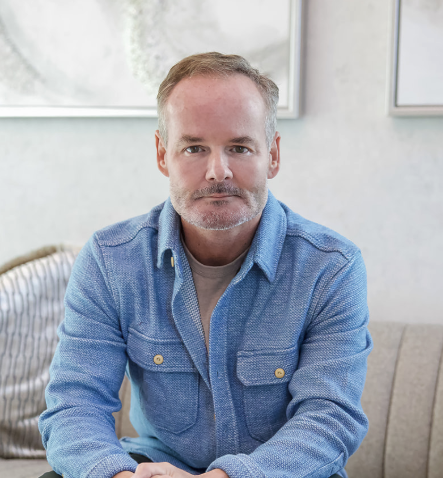
Brow Lift - A Note From Dr. Schimpf
A Brow Lift should never make you look surprised or unnatural. This is my biggest concern with this procedure as the human eye is very sensitive to “weird” looking facial expressions or A lack of expression of the forehead. The goal is a refreshed, rested appearance that opens the eyes and softens the forehead while preserving your identity. When we tailor the procedure to your facial anatomy and perform it conservatively, a brow lift offers long-lasting, natural-looking rejuvenation of the upper face.
Eyelid Lift
Many patients don’t feel EXHAUSTED — yet people keep asking.
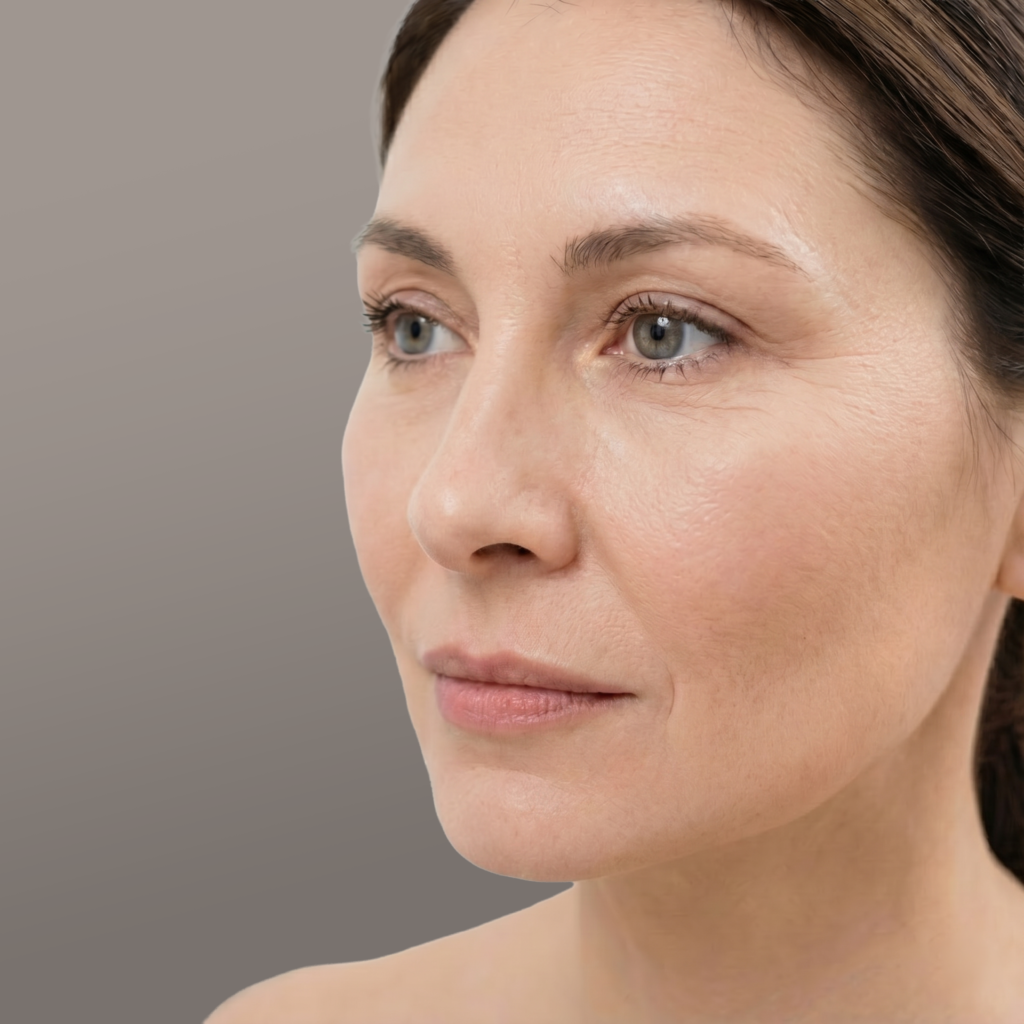
Medically known as Blepharoplasty, an Eyelid Lift addresses the changes in the upper and lower eyelids that take place over time. Your eyelids can begin to feel heavy or sit lower, while fullness beneath the eyes can create a persistent “puffy” appearance. The result isn’t looking older so much as looking constantly fatigued, even when you’re not. In some cases, excess upper eyelid skin can also begin to interfere with vision.
An eyelid lift restores a rested, alert appearance while preserving the natural shape and character of the eyes.
May Be Worth Discussing If You Notice:
-People often ask if you’re tired
-Upper eyelids feel heavy or sit lower than they used to
-Under-eye puffiness that doesn’t improve with rest
-Your eyes no longer reflecting how focused or energetic you feel
At The Consult:
We look closely at eyelid skin, underlying fat, eye shape, and overall facial balance to understand what’s actually causing the tired appearance. The goal is to identify what makes sense for you.
Recovery:
Discomfort is typically mild. Sutures are usually removed around five days. Swelling and bruising are most noticeable during the first week. Many patients feeling comfortable returning to social activities one to two weeks after surgery.
Eyelid Lift - A Note From Dr. Schimpf
My standard is simple: you should look rested, attentive, and like yourself — not different, and never “done.” Eyelid surgery is not about changing the eyes — it’s about letting them reflect how you actually feel. When performed thoughtfully and conservatively, eyelid surgery can be one of the most impactful procedures with a relatively short recovery. This procedure allows more light to reach the eyes, which can brighten your appearance. It also reduces the puffiness that reads as fatigue.
Chin Surgery
For many patients, the concern starts with a profile photo — or the way the jawline looks.
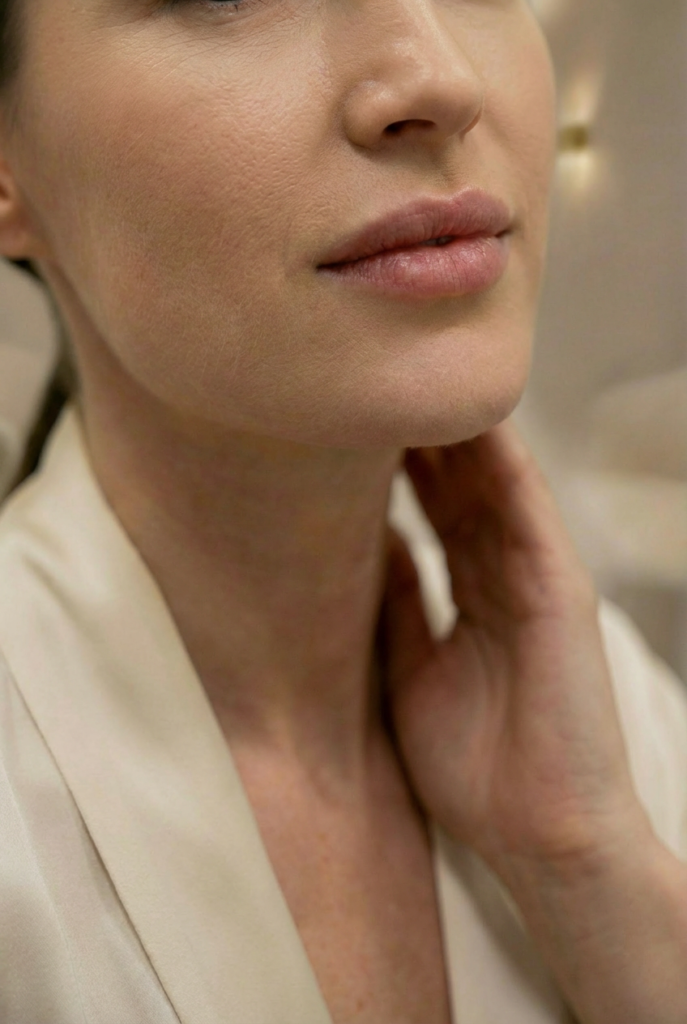
From the front, everything may look fine. But from the side, the face can feel unfinished. The chin quietly anchors the lower face, and when it’s under-projected, the jawline can lose definition, the neck can appear fuller, and the nose can look more prominent than they are.
Chin surgery addresses this imbalance by giving the lower face enough structure to support the rest of the profile in a natural, proportional way.
May Be Worth Discussing If You Notice:
-Your profile looks weaker than expected in photos
-Your jawline lacks definition even when your weight is stable
-Your neck appears fuller than it should for your age
-Your nose looks more prominent from the side than from the front
-Something feels “off,” but you can’t pinpoint a single feature
At The Consult:
We evaluate facial proportions from multiple angles, including how the chin supports the jawline, neck, and other features. The goal is to determine whether chin enhancement would meaningfully improve balance — and if so, how much change is actually needed.
Recovery:
Recovery is typically well tolerated. Swelling and mild bruising are expected during the first one to two weeks and gradually improve. Most patients return to normal daily activities within about a week.
Chin Surgery - A Note From Dr. Schimpf
Chin surgery is rarely about the chin itself. It’s about giving the lower face enough structure to let everything else look its best. Small, well-planned adjustments can dramatically improve facial balance without drawing attention to the chin. I often find that chin enhancement makes other procedures — especially facelift, neck lift, or rhinoplasty — look more complete than when those procedures are done alone. The goal is subtle support, not emphasis.
Facelift
For many patients a Face Lift surgery starts with the same quiet frustration: They don’t look how they feel. They’re not trying to look different — they just want themselves back. They no longer recognize the face looking back at them. over time, their reflection has begun to feel unfamiliar — heavier, more worn, less aligned with how they move through the world. It’s not dramatic. It’s gradual. And that unfamiliarity can be more unsettling than aging itself.
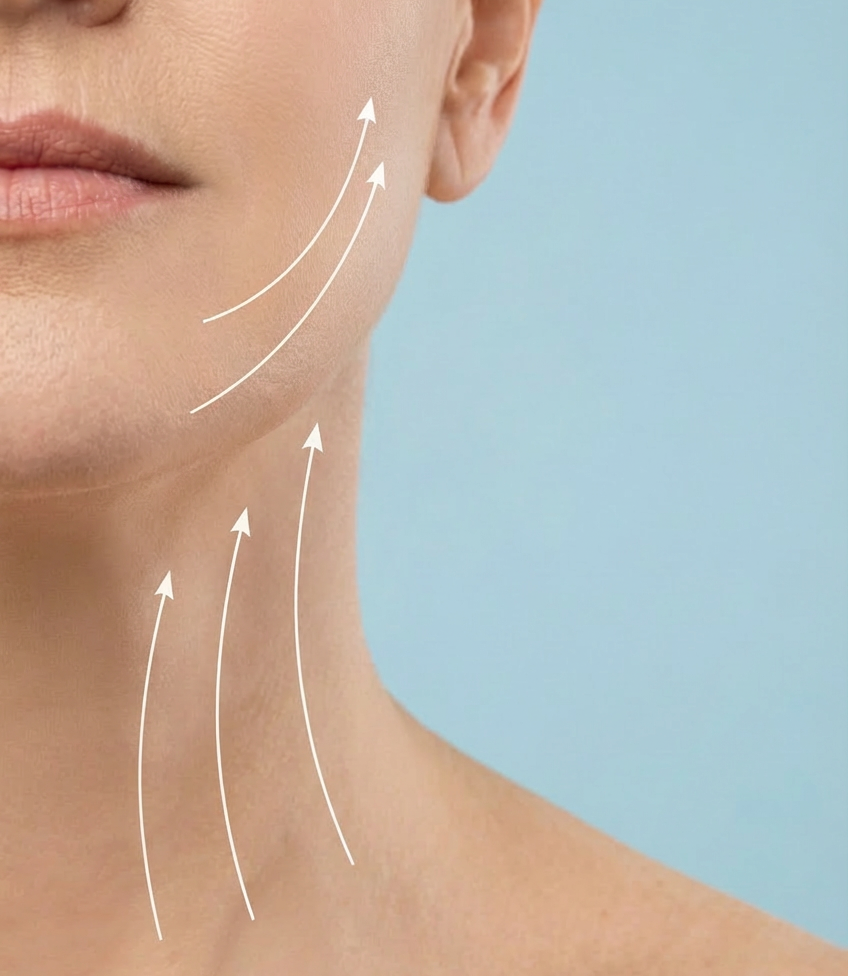
A facelift is not about creating a new look. It’s about restoring something familiar. As the deeper tissues of the face shift with time, the jawline softens, folds deepen, and expression changes in ways that don’t reflect how a person feels or lives. A thoughtfully performed facelift addresses those deeper structural changes, allowing the face to return to a more natural balance.
You may have heard a lot about “deep plane” facelift techniques. When used appropriately, it allows for support to be restored where it’s actually been lost. The skin is then re-draped without tension, which improves contour, scarring, and longevity.
May Be Worth Discussing If You Notice:
-Sagging through the midface or along the jawline
-You notice visible facial sagging, jowls, or deep folds
-You look more tired or worn than you feel
At The Consult:
We evaluate facial structure, skin quality, and how aging has affected deeper tissues to determine whether a facelift makes sense — and if so, which approach best fits your goals. The focus is on proportion, restraint, and long-term outcome.
Recovery:
Facelift - A Note From Dr. Schimpf
A well-performed facelift should never look pulled or artificial. If someone can tell you’ve had surgery, it’s not the result I’m aiming for. My goal is to restore youthful contours while preserving expression and identity. When done thoughtfully and conservatively, a facelift doesn’t change who you are, it brings your appearance back in line with how you feel. I often hear from patients, “I just want to look as good as I feel.”
Neck Lift
Most patients don’t come in talking about their neck — they come in having learned to avoid it.
They don’t look it straight on. Their eyes move past it in the mirror. They see it most clearly in photos they didn’t control — side angles, candid shots, moments where posture or lighting exposes what they try not to focus on.
The frustration isn’t dramatic. It’s persistent.
Everything else feels manageable — except this.
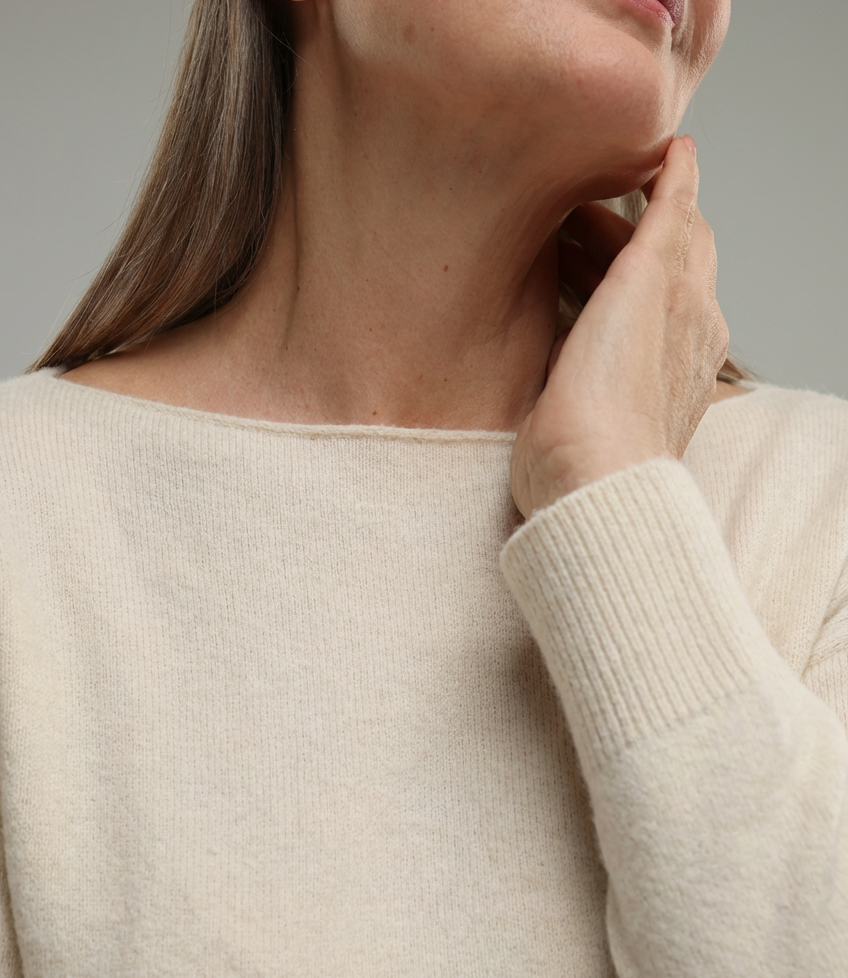
Loose skin, visible banding, or fullness beneath the chin can quietly dominate the profile and draw attention away from the face itself. Even when someone feels healthy, active, and confident, the neck can suggest something older or heavier than they actually feel. By tightening underlying muscles, removing excess skin, and refining the contour beneath the jawline, the goal is to restore definition. When done thoughtfully, the neck stops being the thing you avoid noticing.
May Be Worth Discussing If You Notice:
-Loose or sagging skin along the neck
-Visible vertical neck bands
-Fullness or heaviness under the chin
-Loss of jawline definition that doesn’t respond to non-surgical treatments
At The Consult:
We focus on what’s actually creating the concern — skin quality, muscle tone, fat distribution, and how the neck relates to the jawline and lower face. The goal is to determine whether a neck lift would meaningfully resolve what you’re noticing, or whether a different approach makes more sense.
Recovery:
Neck Lift - A Note From Dr. Schimpf
The neck is one of the first areas people stop looking at — and one of the hardest to improve without surgery.
When I perform a neck lift, my goal isn’t tightness or an artificial contour. It’s clarity. A defined jawline. A neck that no longer draws attention to itself. When done correctly, the result doesn’t look “treated” — it simply removes the distraction so the face can look the way it should.
Rhinoplasty
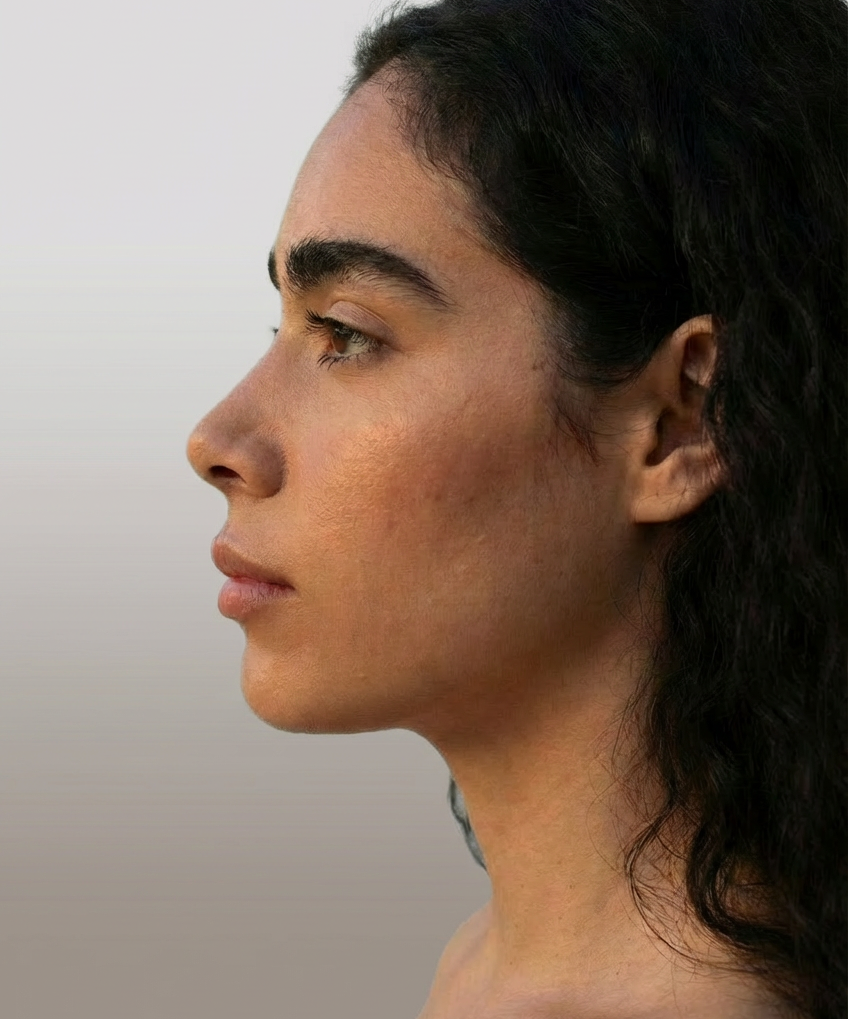
Most patients who consider rhinoplasty have struggled for years feeling like their nose is overall too large for their face. They notice it in photos, in profile, and in moments where it feels too prominent. Often, it’s not that the nose looks “bad”, it’s that it draws attention in a way that feels distracting or disproportionate. For many patients, this is something they quietly manage rather than openly talk about.
Common concerns include a prominent bump along the bridge, asymmetry, a tip that feels too wide or droops when smiling, or the sense that the nose simply feels too large for the face. In some cases, breathing difficulties are also part of the picture.
Rhinoplasty, when done thoughtfully, and conservatively can bring the nose into better balance with the rest of the face — without looking obvious or artificial.
May Be Worth Discussing If You Notice:
-A prominent bump along the bridge of the nose
-A nose that feels too large or dominant for your facial features
-Tip shape or drooping that bothers you, especially when smiling
-Asymmetry that’s noticeable in photos or profile views
-Ongoing breathing difficulty through one or both sides of the nose
At The Consult:
Rhinoplasty requires a shared understanding between patient and surgeon. We spend time discussing what bothers you, what you’ve noticed over time, and what would feel like a successful outcome. Clarity to determine both aesthetic goals and functional needs.
Recovery:
Rhinoplasty - A Note From Dr. Schimpf
Rhinoplasty is one of the most individualized procedures I perform, and also one of the most unforgiving if done without restraint. My goal is never a “perfect” nose. It’s a nose that fits the face. One that doesn’t draw attention to itself and doesn’t announce that surgery was done. When carefully planned and executed, rhinoplasty improves balance and preserves identity.