Brow Lift
Many patients don't come in asking for a brow lift. They come in saying they look tired, heavy, or unintentionally stern, even when they feel well rested. Over time, gravity and muscle activity cause the eyes to appear heavier, the upper eyelids more weighed down, and facial expression to shift in ways that don't match how someone actually feels.

May Be Worth Discussing If You Notice:
At The Consult:
We will carefully evaluate brow position, eyelid anatomy, and overall facial balance to determine how to restore a youthful and natural expression.
Not changing how you look—just how rested and open your eyes appear.
Recovery:
Discomfort is typically mild and managed with standard pain control. Swelling and bruising are most noticeable during the first week and gradually improve. Most patients return to normal daily activities within 10–14 days.
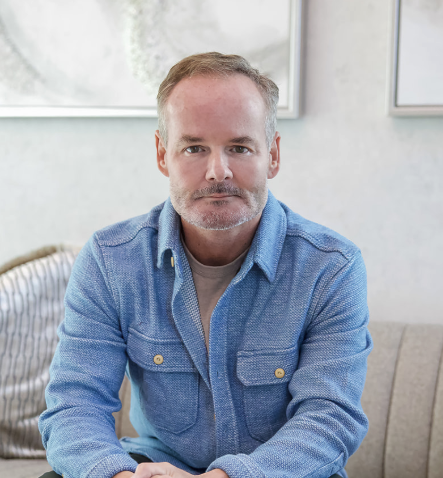
Brow Lift - A Note From Dr. Schimpf
Eyelid Lift
Many patients don't feel exhausted, yet people keep asking.
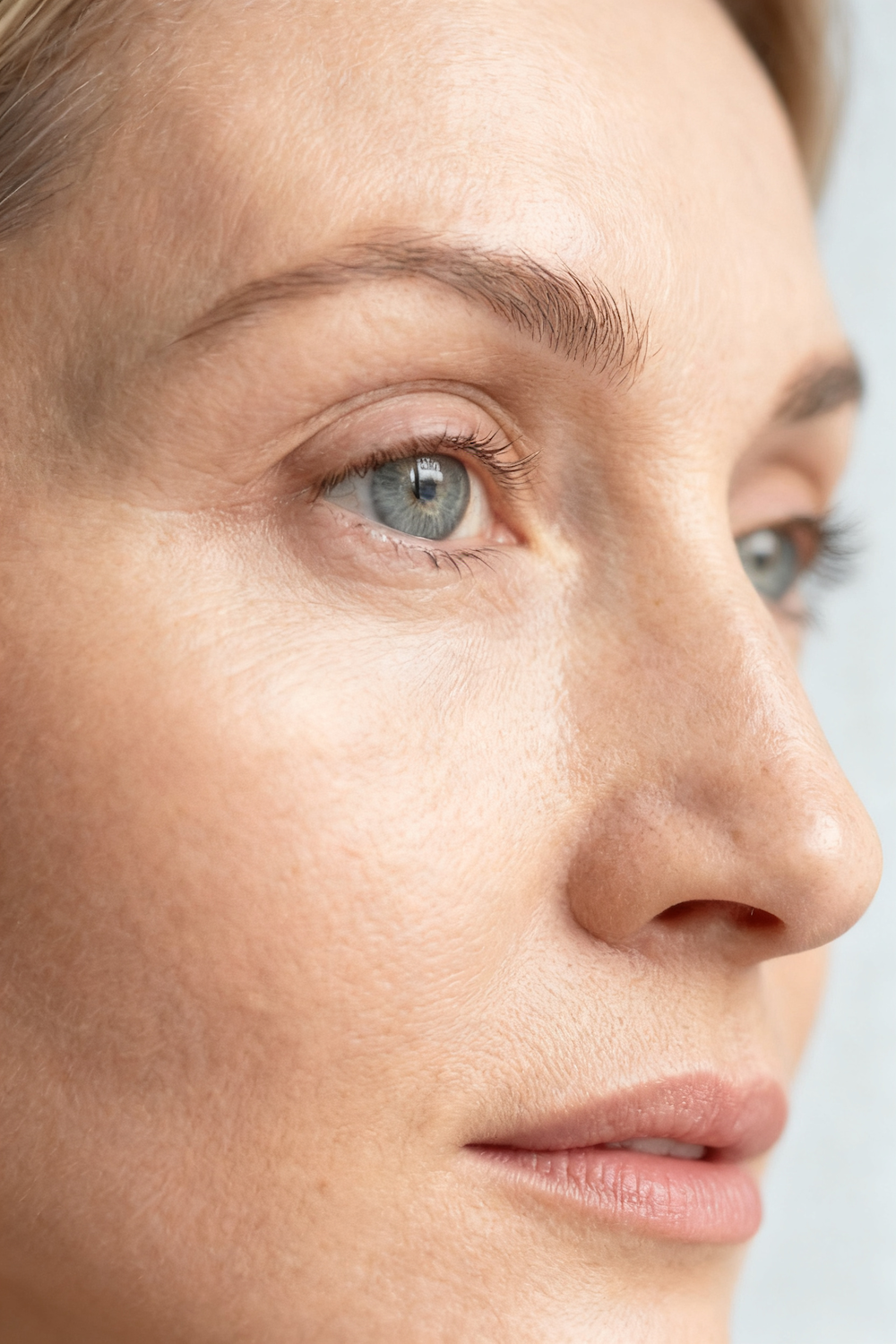
Medically known as Blepharoplasty, an Eyelid Lift addresses the changes in the upper and lower eyelids that take place over time. Your eyelids can begin to feel heavy or sit lower, while fullness beneath the eyes can create a persistent "puffy" appearance. The result isn't looking older so much as looking constantly fatigued, even when you're not. In some cases, excess upper eyelid skin can also begin to interfere with vision.
An eyelid lift restores a rested, alert appearance while preserving the natural shape and character of the eyes.
May Be Worth Discussing If You Notice:
At The Consult:
We look closely at eyelid skin, underlying fat, eye shape, and overall facial balance to understand what's actually causing the tired appearance. The goal is to identify what makes sense for you.
Recovery:
Discomfort is generally mild. Sutures are usually removed around five days. Swelling and bruising are most noticeable during the first week. Many patients feel comfortable returning to social activities one to two weeks after surgery.
Eyelid Lift - A Note From Dr. Schimpf
Chin Surgery
For many patients, the concern starts with a profile photo — or the way the jawline looks.
From the front, everything may look fine. But from the side, the face can feel unfinished. The chin quietly anchors the lower face, and when it's under-projected, the jawline can lose definition, the neck can appear fuller, and the nose can look more prominent than they are.
Chin surgery addresses this imbalance by giving the lower face enough structure to support the rest of the profile in a natural, proportional way.

May Be Worth Discussing If You Notice:
At The Consult:
We evaluate facial proportions from multiple angles, including how the chin supports the jawline, neck, and other features. The goal is to determine whether chin enhancement would meaningfully improve balance.
Recovery:
Recovery is typically well tolerated. Swelling and mild bruising are expected during the first one to two weeks and gradually improve. Most patients return to normal daily activities within about a week.
Chin Surgery - A Note From Dr. Schimpf
Facelift
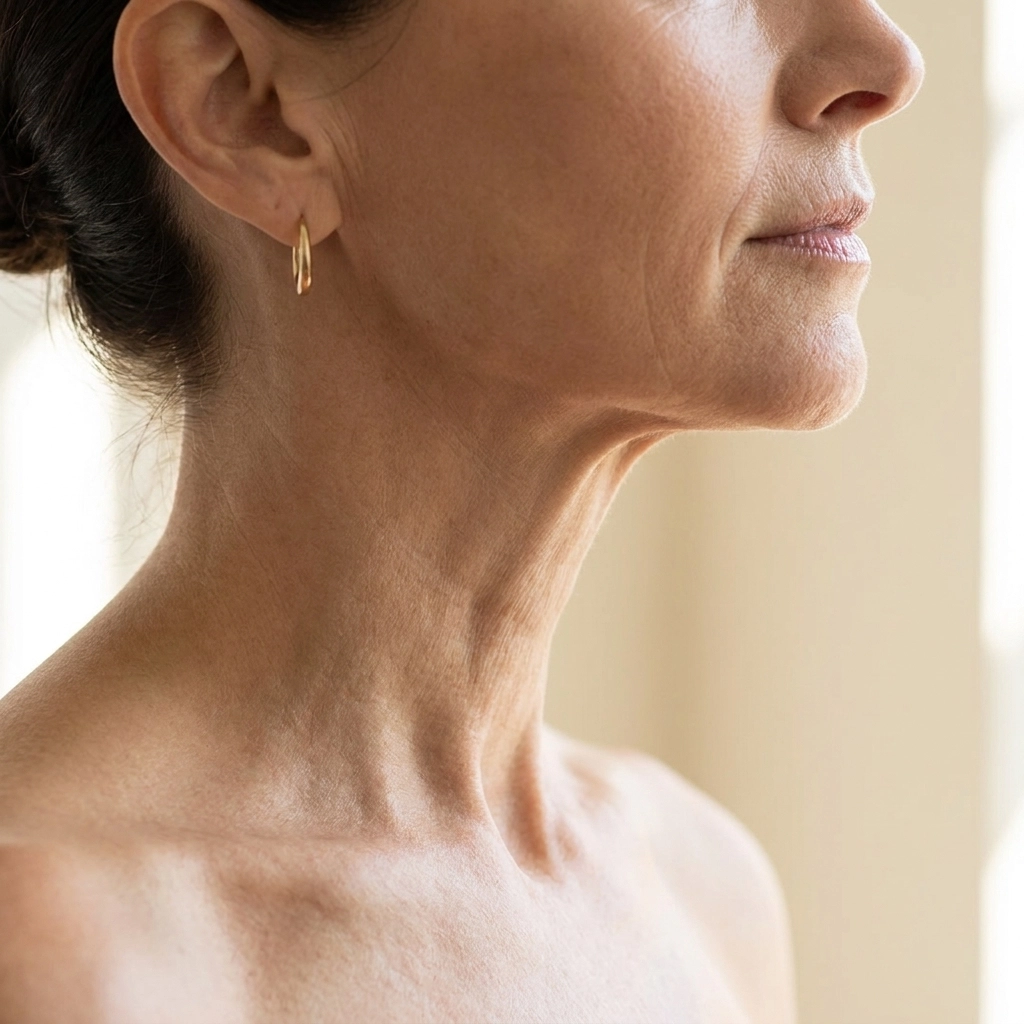
For many patients, a facelift surgery starts with the same quiet frustration: They don't look how they feel. They're not trying to look different, they just want themselves back. They no longer recognize the face looking back at them. Over time, their reflection has begun to feel unfamiliar, heavier, more worn. It's not dramatic. It's gradual, and that unfamiliarity can be more unsettling than aging itself.
A facelift is not about creating a new look. It's about restoring something familiar. As the deeper tissues of the face shift with time, the jawline softens, folds deepen, and expression changes in ways that don't reflect how a person feels or lives. A thoughtfully performed facelift addresses those deeper structural changes, allowing the face to return to a more natural balance.
You may have heard a lot about "deep plane" facelift techniques. When used appropriately, this technique allows for support to be restored where it's actually been lost. The skin is then re-draped without tension, which improves contour, scarring, and longevity.
May Be Worth Discussing If You Notice:
At The Consult:
We evaluate facial structure, skin quality, and how aging has affected deeper tissues to determine whether a facelift makes sense — and if so, which approach best fits your goals. The focus is on proportion, restraint, and long-term outcome.
Recovery:
Recovery from a facelift is gradual. Swelling and bruising improve over the first several weeks, with most patients returning to social activities within one to three weeks. Final contour and skin quality continue to refine over several months, with full results typically apparent around nine months.
Facelift - A Note From Dr. Schimpf
Neck Lift
Most patients don't come in talking about their neck, they come in having learned to avoid it.
They don't look at it straight on. Their eyes move past it in the mirror. They see it most clearly in photos they didn't control — side angles, candid shots, moments where posture or lighting exposes what they try not to focus on.
The frustration isn't dramatic. It's persistent.
Everything else feels manageable — except this.
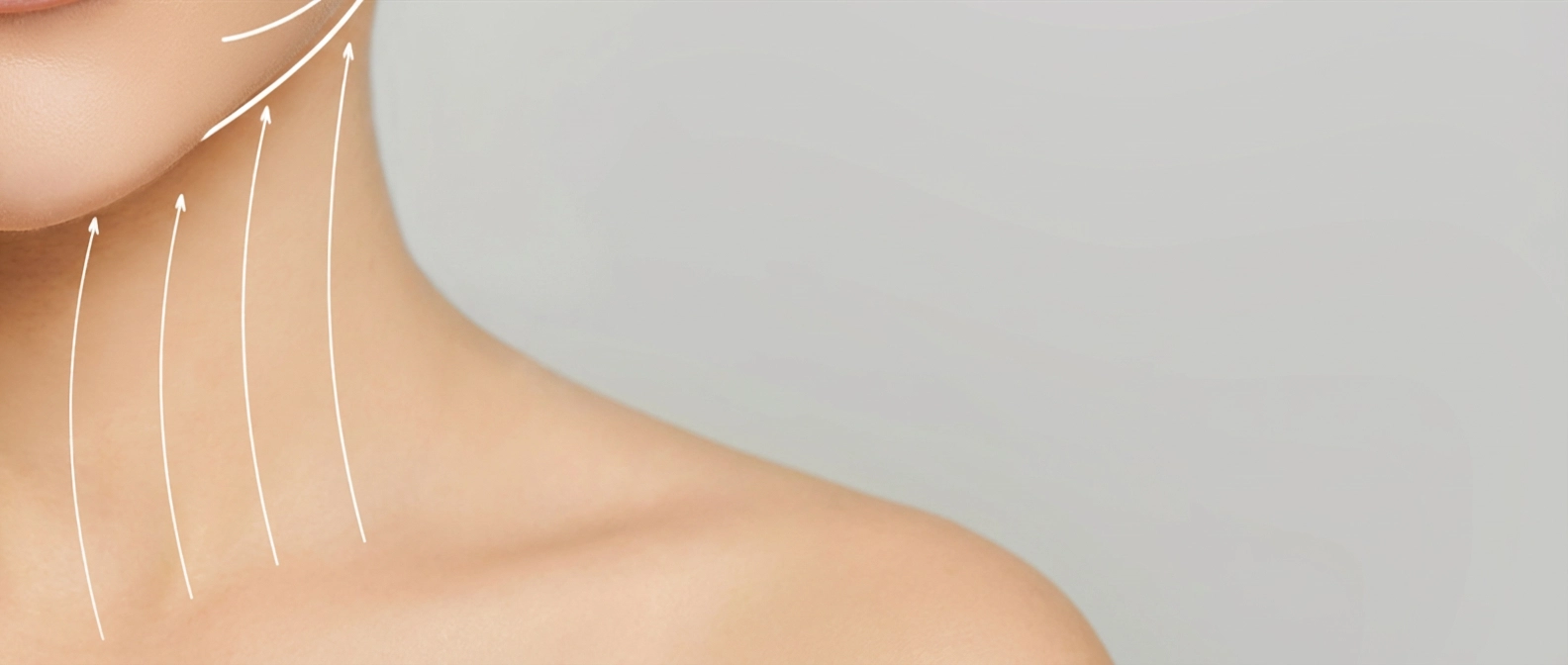
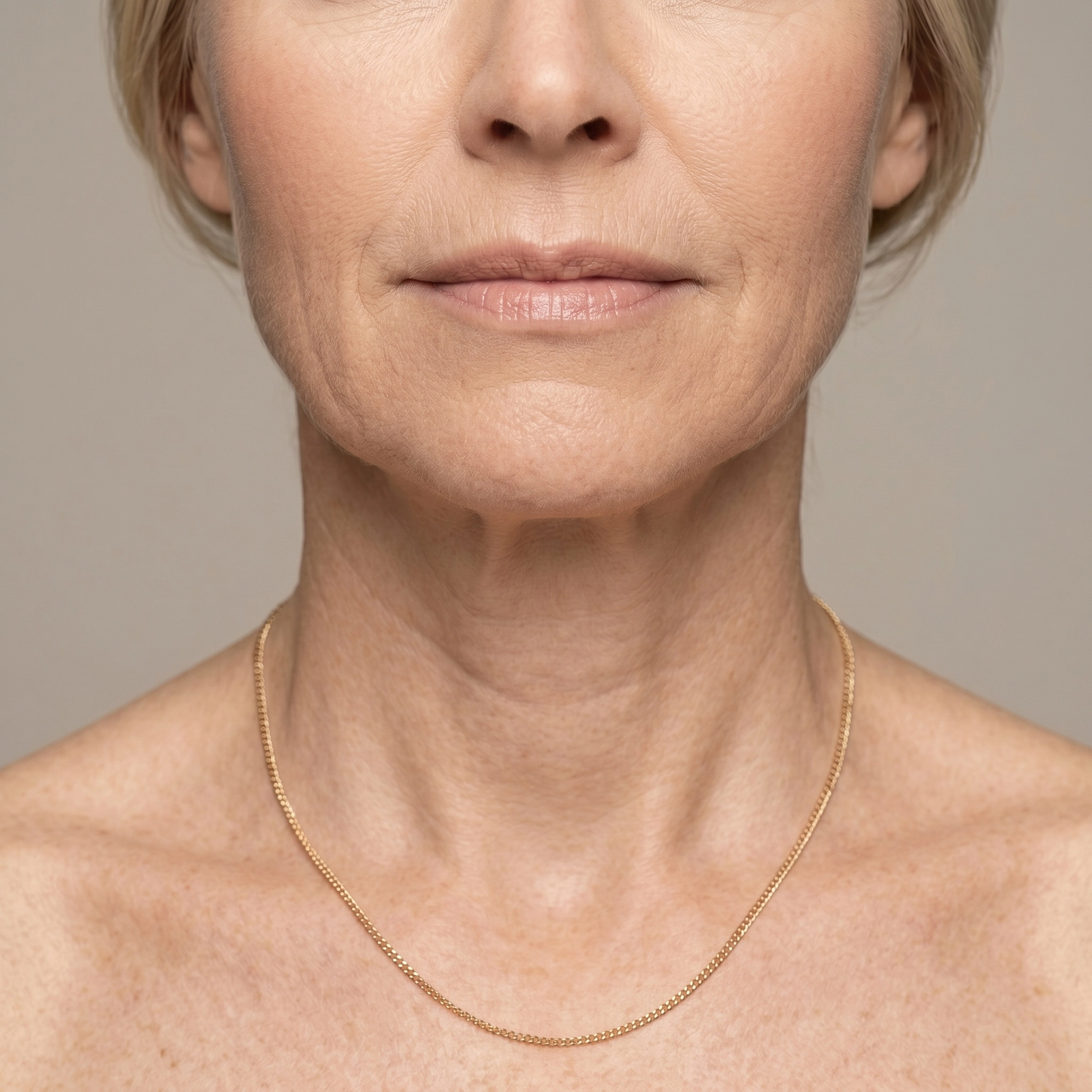
Loose skin, visible banding, or fullness beneath the chin can quietly dominate the profile and draw attention away from the face itself. Even when someone feels healthy, active, and confident, the neck can suggest something older or heavier than they actually feel. By tightening underlying muscles, removing excess skin, and refining the contour beneath the jawline, the goal is to restore definition. When done thoughtfully, the neck stops being the thing you avoid noticing.
May Be Worth Discussing If You Notice:
At The Consult:
We focus on what's actually creating the concern. The skin quality, muscle tone, fat distribution, and how the neck relates to the jawline and lower face. The goal is to determine whether a neck lift would meaningfully resolve what you're noticing, or whether a different approach makes more sense.
Recovery:
Swelling and bruising typically improve within one to two weeks, and many patients return to normal daily activities during that time. Tightness and residual swelling can persist as healing progresses. Final contour continues to refine over several months.
Neck Lift - A Note From Dr. Schimpf
Rhinoplasty
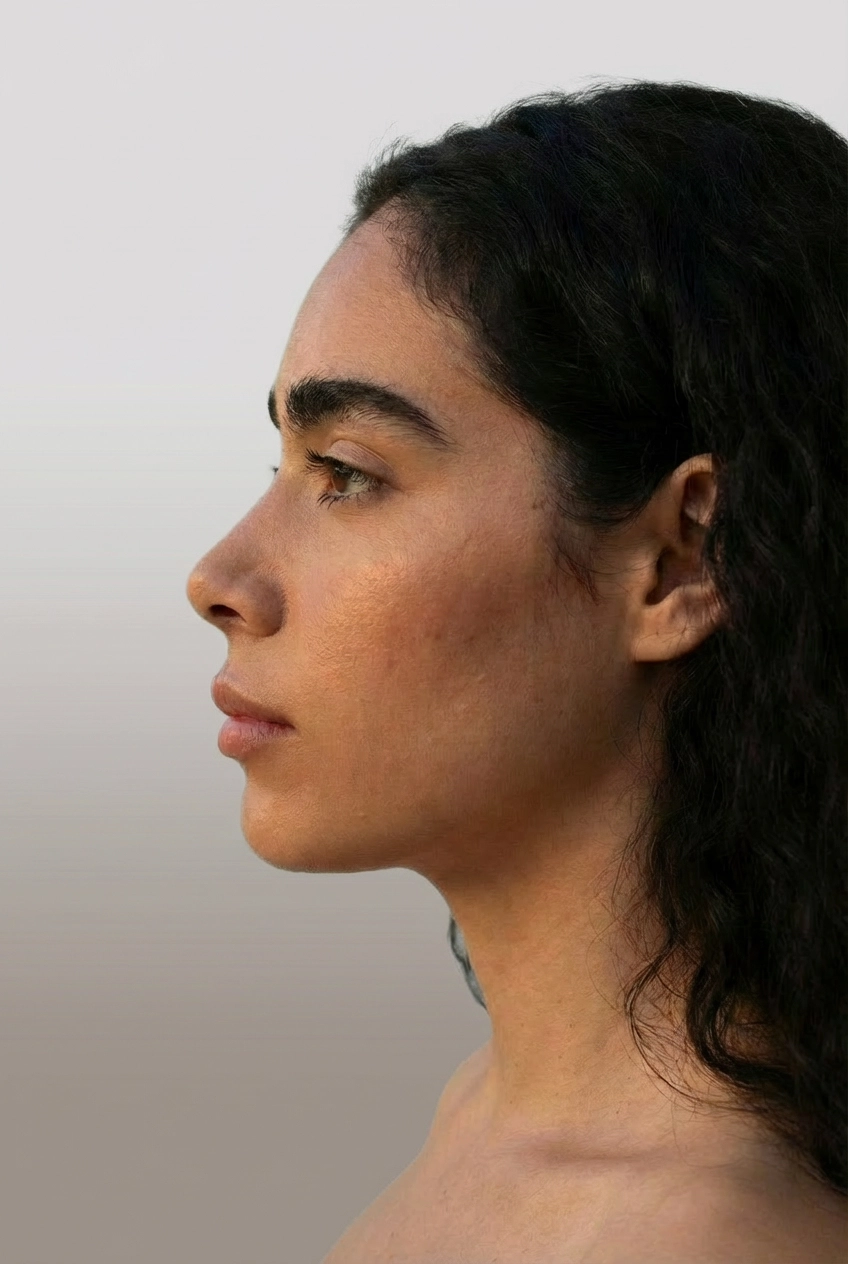
Most patients who consider rhinoplasty have struggled for years feeling like their nose is overall too large for their face. They notice it in photos, in profile, and in moments where it feels too prominent. Often, it's not that the nose looks "bad", it's that it draws attention in a way that feels distracting or disproportionate. For many patients, this is something they quietly manage rather than openly talk about.
Common concerns include a prominent bump along the bridge, asymmetry, a tip that feels too wide or droops when smiling, or the sense that the nose simply feels too large for the face. In some cases, breathing difficulties are also part of the picture.
Rhinoplasty when done thoughtfully and conservatively, can bring the nose into better balance with the rest of the face — without looking obvious or artificial.
May Be Worth Discussing If You Notice:
At The Consult:
Rhinoplasty requires a shared understanding between patient and surgeon. We spend time discussing what bothers you, what you've noticed over time, and what would feel like a successful outcome. The aim is clarity about both what you want to change and what you need to function comfortably.
Recovery:
Swelling and bruising typically improve within 10 to 14 days, allowing many patients to return to work or social activities. While early changes are visible relatively quickly, subtle swelling, particularly at the nasal tip, can take months to fully resolve. Final refinement continues gradually for up to a year.
Rhinoplasty - A Note From Dr. Schimpf
What you can expect at a consultation
and why people choose Dr. Schimpf.
- You always have access directly to Dr. Schimpf, not just a coordinator. Board-certified, with 20 years experience and a background in complex reconstructive and microsurgery.
- He asks what's actually bothering you, listens, and looks at it with you. This is an unhurried visit with Dr. Schimpf, in person or virtual.
- He walks you through your options. Including recovery, trade-offs, and cost, and tells you what he would and wouldn't recommend.
- You move at your pace. He will tell you no if surgery isn't right for you. If the timing is wrong, he says so. No pressure, no obligation.
- Natural results, by design. If someone can tell you've had surgery, that isn't the result he's aiming for.
- A more personal practice, by design. Access to your surgeon, built around you.
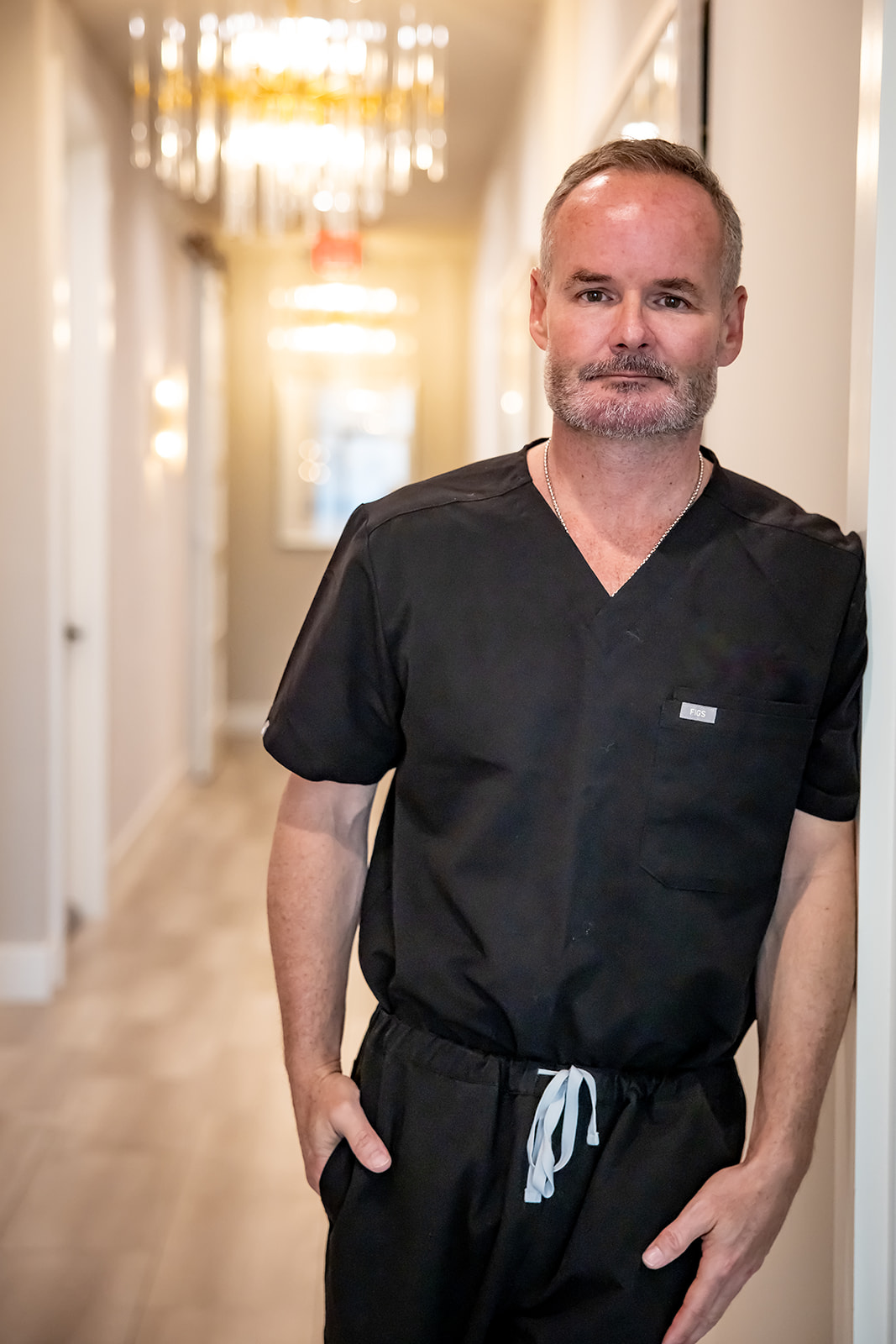
Or, if you're not sure you're a good candidate yet, start with a phone call directly from Dr. Schimpf himself. He will answer your questions and tell you if surgery is even a good option for you.
Request a Call from Dr. SchimpfThe first step is simply a conversation.
Schedule your consultation
How would you like to schedule?